Hello,
As I write this we are already in the middle of a busy term. There is so much going on in this beautiful community. With busyness comes fatigue. When I talk with the children about feelings, they often remind me that when they feel “sleepy,” and they can also become cranky. I think that’s something many of us adults can relate to as well. Sometimes we all need to show a little extra patience, both with our children and with ourselves.
Emotions can be bigger and more overwhleming when we are under pressure or stress; whether that’s meeting deadlines, paying bills, working long hours or simply managing the daily juggle of family life. It’s important to remember that our young people also sense our pressures, and they carry their own. For them, worries might come in different forms: choosing what to wear, navigating friendships and disagreements, filling their lunch boxes, or coping with changes and transitions. When our families are facing these challenges, staying connected makes all the difference. This could mean daily “check-ins,” chatting around the dinner table, taking a walk together, or simply spending an extra five minutes each day technology-free. Those small moments help strengthen bonds and remind children that they are seen, heard, and supported.
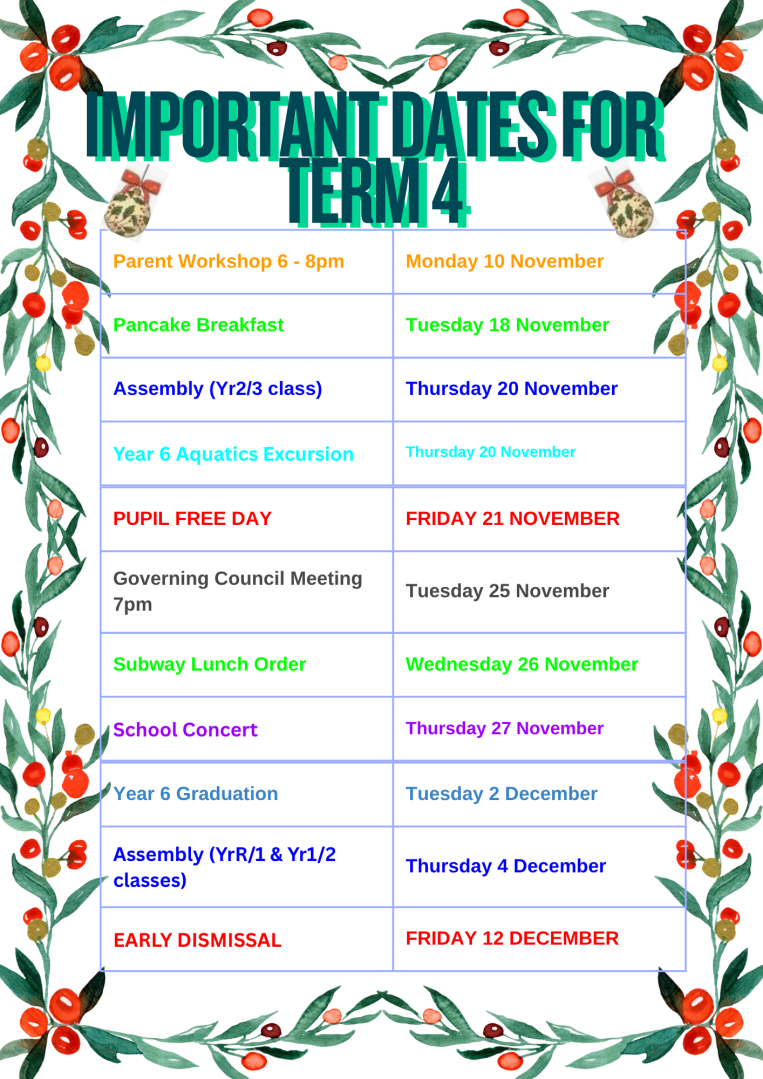
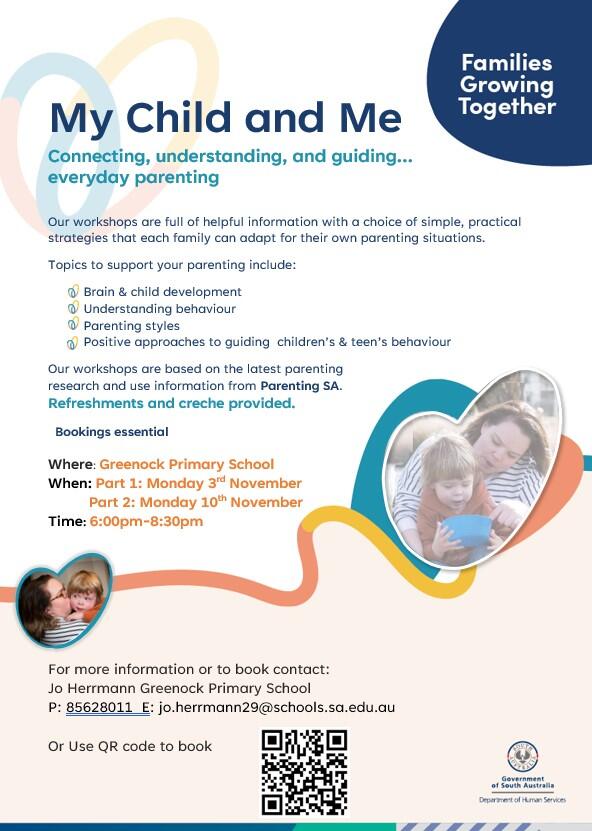
This week, on Monday, I hosted part 1 of a parent workshop. Those who attended found it very worthwhile — we had some great discussions, and many parents shared that they left feeling reassured about what they are already doing well, while also taking away some new strategies and insights to try at home. We’ll be holding Part 2 of the workshop on Monday, 10th November at 6pm, and you are welcome to come along even if you weren’t able to attend the first session. Please register beforehand so we can organise catering and crèche. See the flyer for more details.
Another game changing date that will effect families is the upcoming nationwide Social Media Ban for children under 16 that begins on December 10th. This decision has raised many questions among families, and I wanted to share what it means, why it has been introduced, and how we can all support our children during this change.
Here is the latest list of the social media age restricted platforms:
· Facebook
· Instagram
· Kick
· Reddit
· Snapchat
· Threads
· TikTok
· X (formerly Twitter)
· YouTube
Why Has the Ban Been Introduced?
Over the past few years, researchers, teachers, and parents have become increasingly concerned about how social media affects young people’s mental health, wellbeing, and development. While social media can have positive uses—such as staying connected with friends and exploring creative ideas—it can also expose children to serious challenges before they are ready to handle them.
Some of the key issues highlighted in recent studies include:
· Increased anxiety and low self-esteem, often linked to unrealistic images and online comparison.
· Exposure to harmful content, such as bullying, body image pressures, or inappropriate material.
· Reduced sleep and concentration, as children spend more time scrolling and less time resting.
· Online safety risks, including scams, privacy concerns, and contact with strangers.
The government hopes that delaying access to social media until at least age 16 will give young people more time to build resilience, confidence, and real-world social skills before they begin using these platforms independently.
How to Talk to Your Child About the Ban
Children may feel upset or confused if they hear that they’re no longer allowed to use certain apps. Here are a few ways to approach the conversation:
1. Stay calm and reassuring. Explain that the new rule isn’t a punishment, but a way to keep them safe while they’re still growing and learning.
2. Be curious, not critical. Ask your child what they enjoy about social media and listen to their thoughts. This helps them feel heard and supported.
3. Offer alternatives. Encourage creative or social activities that give a similar sense of connection—like art, games, sports, or messaging friends through safe, parent-monitored platforms.
4. Set family boundaries together. Agree on screen-free times (such as during meals or before bed) and model the same behaviour as adults.
5. Keep communication open. Let your child know they can always talk to you or a trusted adult if they see something online that worries them.
We see first-hand how children flourish when they are free to learn, explore, and play. Limiting early exposure to social media can help protect that precious stage of curiosity and imagination.
We know this change may take some adjustment for families, especially for older students who are already online. We are here to support you as you navigate our digital wellbeing.
Here are some helpful websites for more inforamtion and resources:
Esafety Commission Kidshelpline Raising Children Network
I am always available to support you and have a chat if you need. Enjoy the next few weeks of term 4 and I will see you soon,
Cheers, Jo