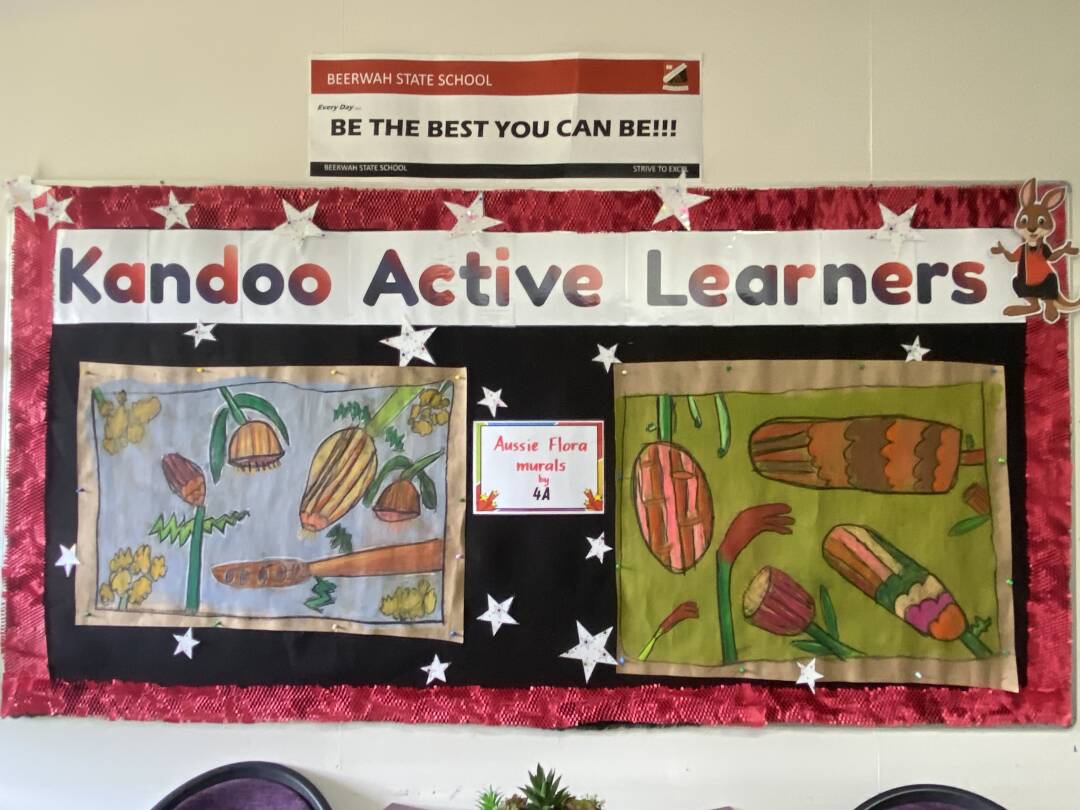
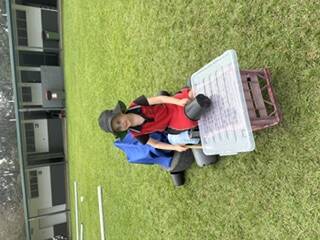
Last term, 4A participated in Raw Art and created collaborative Aussie Flora murals using pastels. The office pinboard has a great display of some of their amazing artwork. Come and have a look!
Get ahead of 2027 with the new school calendar! (Check links)Start planning for next year with the 2027 school calendar now available on the Department of Education website.
The calendar features school term and holiday dates, public holidays and staff development/student free days.
If you’re looking for more room to write notes, check out the 2027 school planner which covers each school term on an A3 size.
Reading at HomeAcross Prep to Year 6, students are continuing to build their reading skills through explicit teaching in areas such as fluency, vocabulary and comprehension. Regular reading at home is one of the most valuable ways families can support this learning.Spending even 10–15 minutes each day reading with your child, listening to them read, or talking about a book can make a real difference. You might ask your child to retell what they have read, explain the meaning of a new word, or share the most interesting part of the text. These simple conversations help strengthen understanding and confidence.Thank you for the support you provide at home. Working together helps our students continue to grow as capable and confident readers.
Please Update Your Details for Reporting
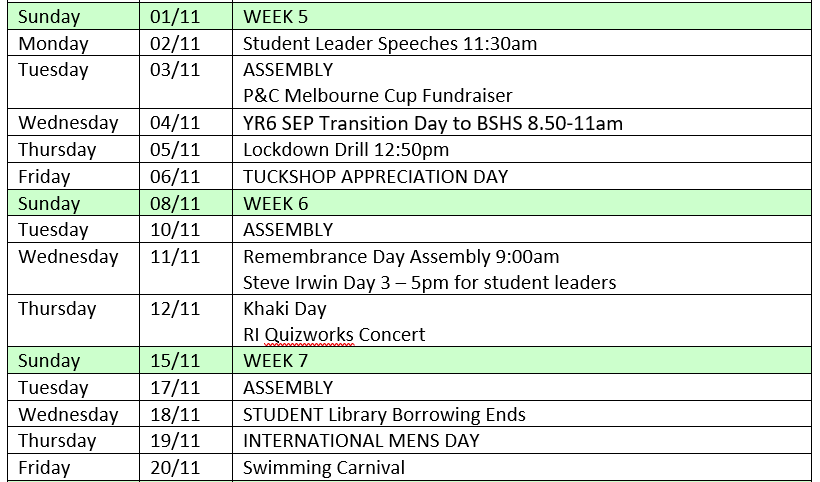
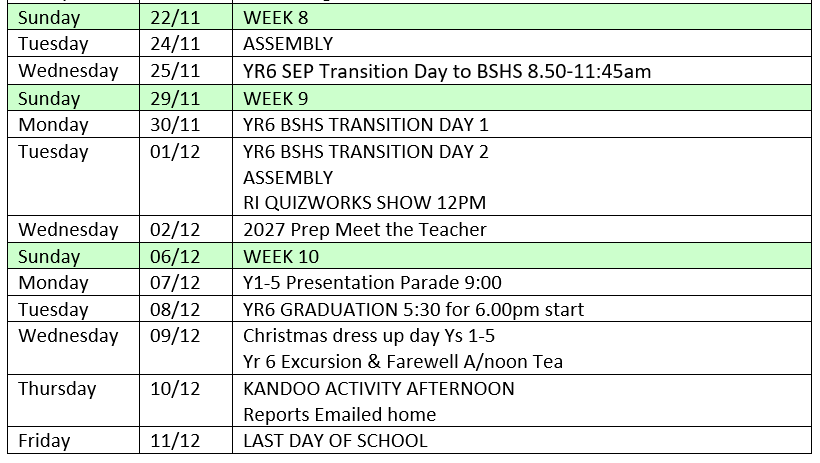
As we move towards the end of the school year, families are asked to ensure their contact details are current with the school. Accurate family information is important as we prepare for end-of-semester reporting and other school communications. Please check that the school has your correct:
- email address (Reports are emailed home, so please ensure your email address is up to date)
- phone numbers
- emergency contact details
- residential address
- postal address
Maths at Home
Mathematics learning happens in the classroom every day, but there are also many simple ways to reinforce maths skills at home. Across the primary years, students benefit from regular opportunities to talk about numbers, patterns, measurement and problem-solving in everyday situations.Families can support maths learning by involving children in activities such as:
- counting and comparing while shopping
- reading timetables or calendars
- measuring ingredients when cooking
- identifying shapes and patterns around the home
- practising number facts in short, fun ways
Kind regards,
Tracy