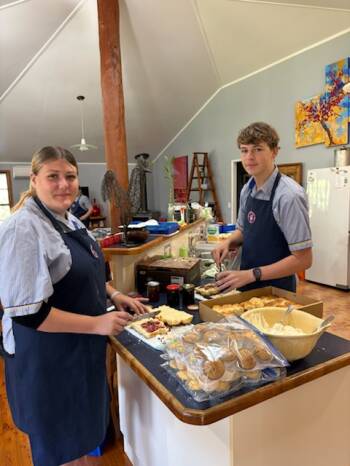
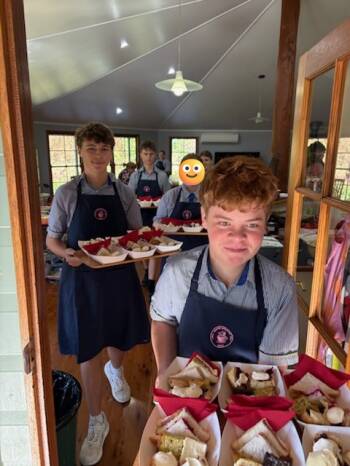
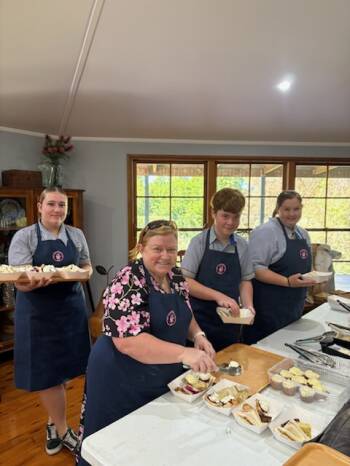
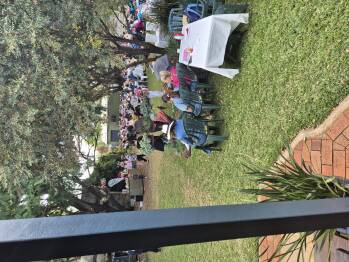
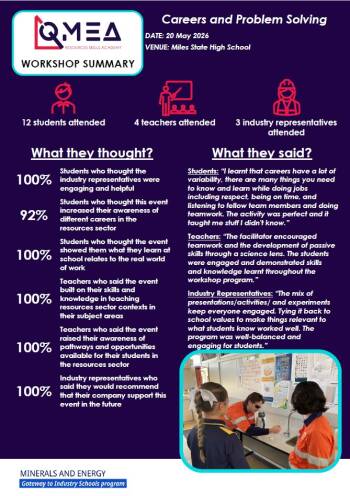
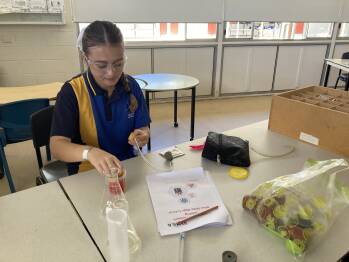
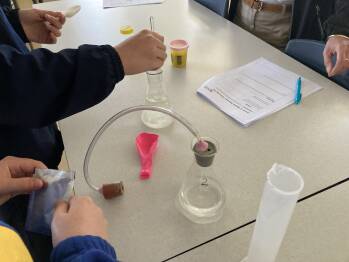
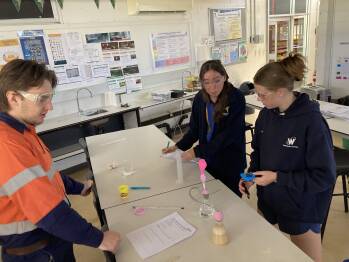
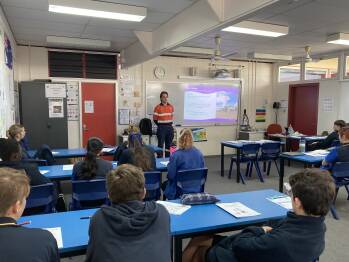
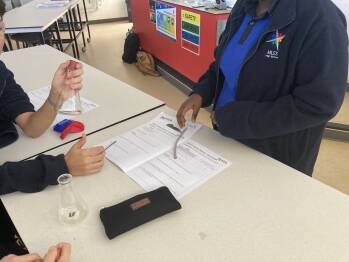
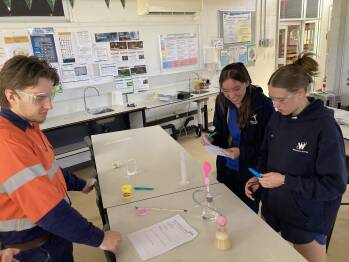
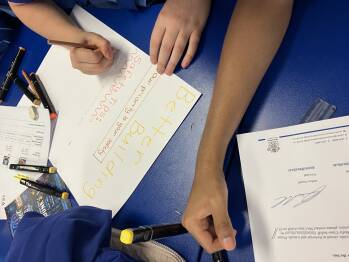
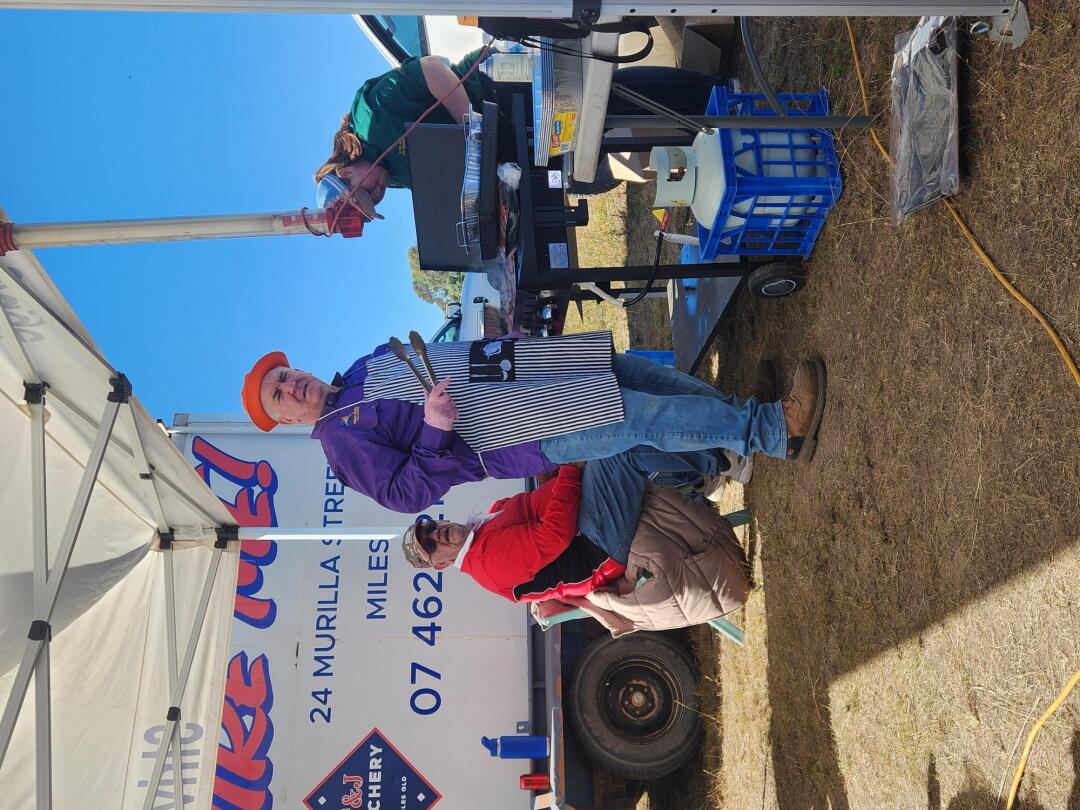
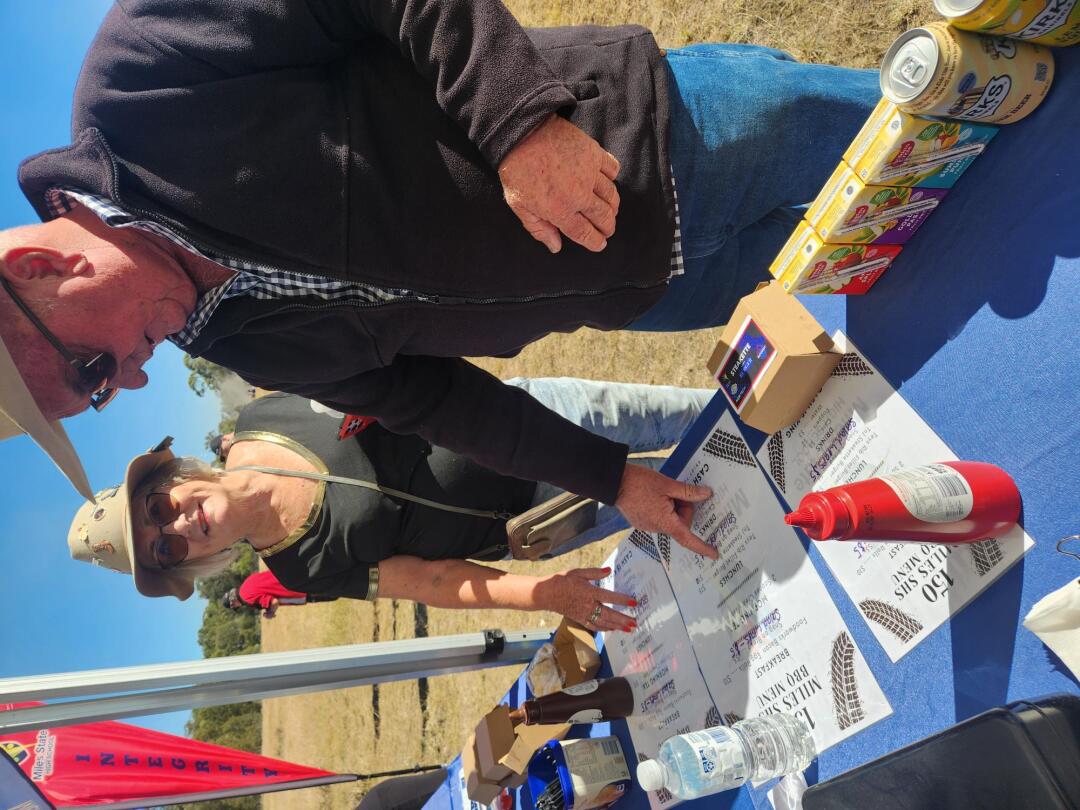
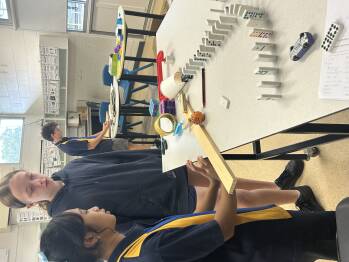
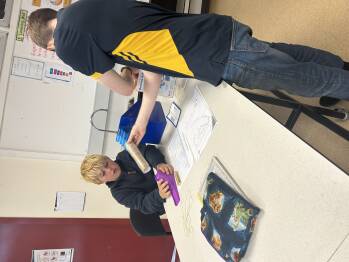
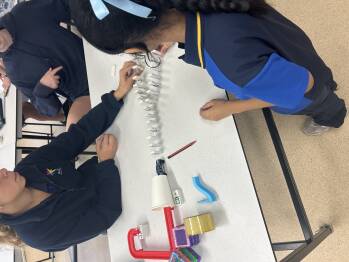
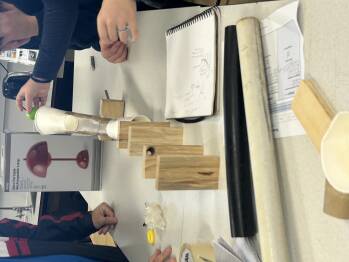
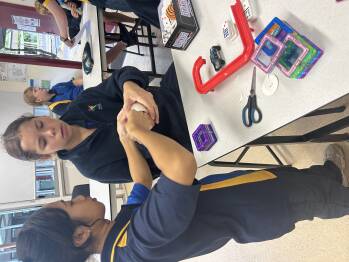
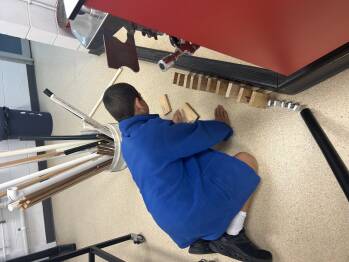
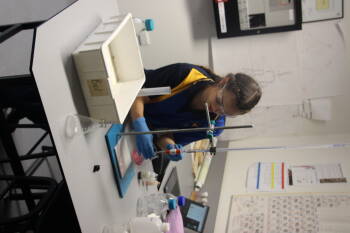
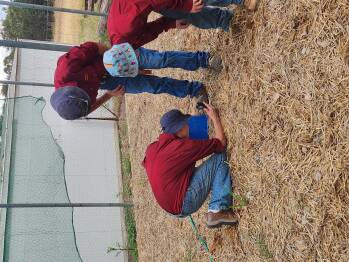
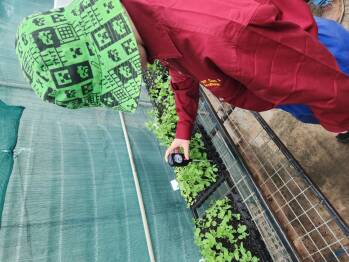
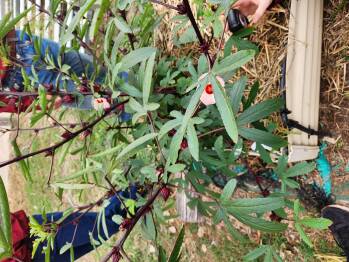
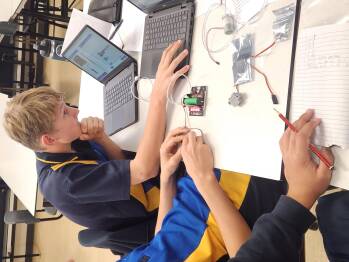
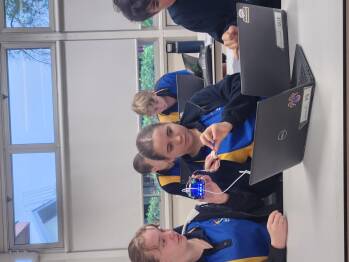
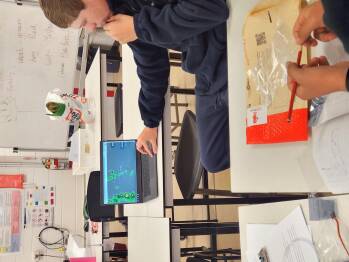
The last two weeks have been a very busy period in the classroom. Students have been engaging in assessment, Wonder of Science, QMEA sessions, shows, and community events. All these activities have been incredibly rewarding and enriching for our students. I would like to take this opportunity to thank everyone involved in organising, running, and participating in these events. All students and staff have represented the school with pride and excellence.
The hustle and bustle of the school term will continue over the coming weeks. Please ensure you are keeping an eye on assessment due dates via the assessment planner.
Year 11 and 12 students are currently in the middle of their assessment period. During this time, attendance is vitally important, and absences should only occur for two reasons: illness or misadventure. Both types of absences must be justified with valid supporting documents.
- Illness: If students are unwell and unable to attend on the day an assessment item is due, a current medical certificate must be provided to the school. It is not sufficient to simply report the illness; the medical certificate must be submitted with the assessment item to justify why it was submitted on an alternative date.
- Misadventure: Misadventure refers to an unforeseen event beyond the student’s control, such as personal circumstances or emergent cultural obligations (e.g., a summons/subpoena to appear in court, the death or funeral of a close family member, Sorry Business, etc.). The event cannot be of the student’s own choosing or that of their parents/carers, such as a family holiday, or something that could have been avoided, such as misreading the examination timetable or instructions.
If your family experiences a situation where misadventure applies, please contact the school as soon as possible to discuss the event with the Principal, Deputy Principal, or Head of Curriculum. They will guide you on the necessary steps to follow.
If this procedure is not followed, students may find themselves unable to complete an assessment item, which could result in no credit being awarded for that item. This can leave a significant gap in their overall results for the semester (Year 11) or the entire year (Year 12). Students in other year levels must also follow this procedure, although there is more flexibility in these cases to help students learn what is expected regarding assessment completion and submission.
Good luck to all students completing assessments at the moment. Your hard work and dedication will undoubtedly be rewarded.
Nationally Consistent Collection of Data (NCCD)
At this time of year, the school is also preparing for the Nationally Consistent Collection of Data (NCCD). This process helps us document the actions we take to support students with disabilities and ensures that every student at Miles State High School is supported to achieve their best.
The NCCD is an important initiative that helps schools across Australia better understand and support students with diverse learning needs. It ensures that students who require adjustments to their learning programs—whether due to physical, cognitive, sensory, or social-emotional needs—are recognised and supported.
What is the NCCD?
The NCCD is a national data collection process that identifies the adjustments schools make to support students with disabilities. It ensures that schools are meeting their obligations under the Disability Discrimination Act 1992 and the Disability Standards for Education 2005.
What does this mean for your child?
If your child requires additional support to access and participate in their education, they may be included in the NCCD. This could involve adjustments such as tailored teaching strategies, specialised equipment, or additional support from staff. The NCCD does not affect your child’s enrolment or academic record—it is simply a way for schools to ensure that all students receive the support they need to succeed.
Why is the NCCD important?
The data collected through the NCCD helps governments and schools allocate resources and funding to support students with disabilities. It also ensures that schools are providing an inclusive learning environment where every student can achieve their best.
What do parents need to know?
If your child is included in the NCCD, you do not need to do anything. The process is confidential, and no personal or identifying information is shared with external organisations. Our school works closely with families to ensure that the adjustments in place are appropriate and effective for each student.
If you have any questions about the NCCD or how we support students with diverse learning needs, please don’t hesitate to contact the Head of Department of Curriculum, Teaching and Learning. We value your partnership in creating an inclusive and supportive learning environment for all students.
Thank you for your ongoing support of your child’s education.
Caleb Kuhl