The U10 soccer team needs at least 2 more players. If anyone is interested in playing please email the soccer committee hcepssoccer@gmail.com.
The players can be turning 9 or 10 this year.
Thank you.

We would like to acknowledge and pay our respects to the Kaurna people, the traditional custodians whose ancestral lands we gather on. We acknowledge the deep feelings of attachment and relationship of the Kaurna people to country and we respect and value their past, present and ongoing connection to the land and cultural beliefs.


Dear families,
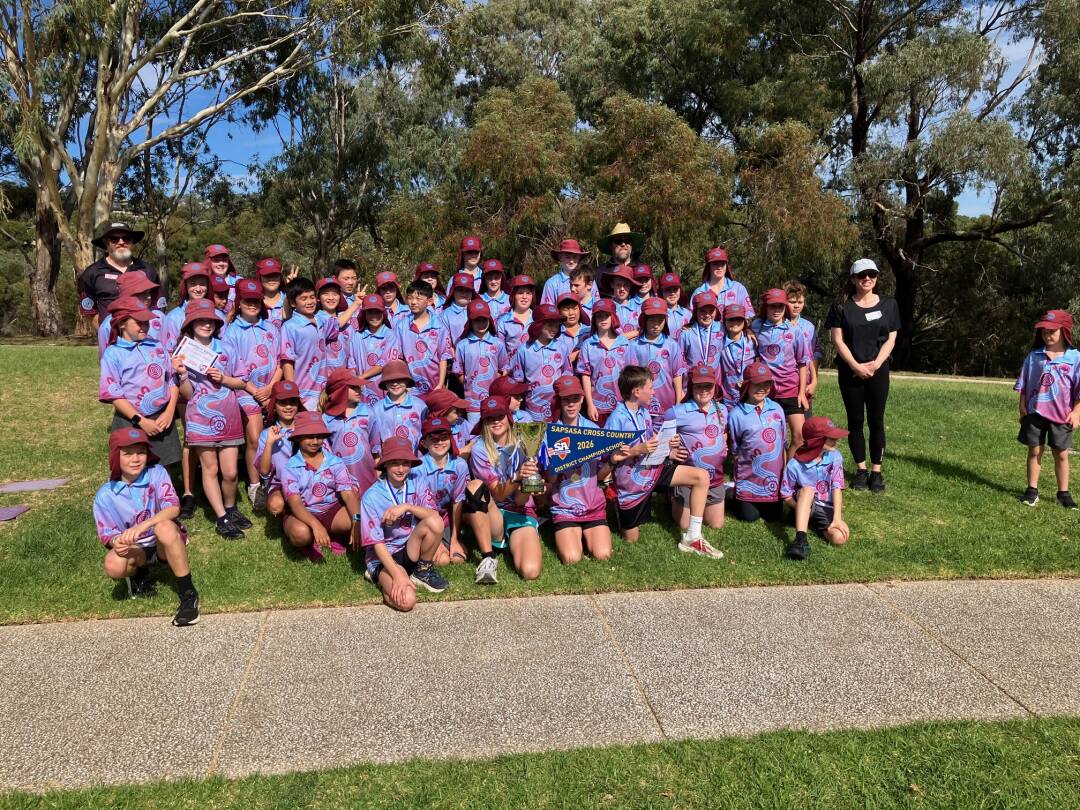
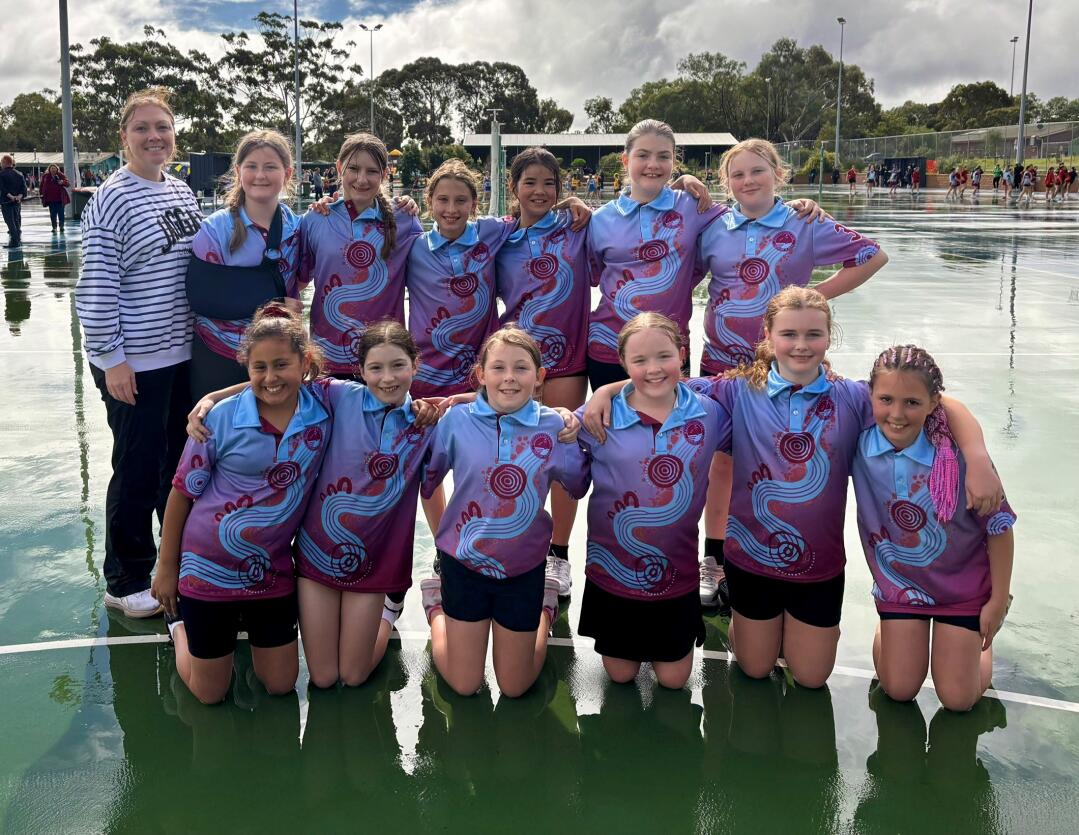
Welcome back to term two. It certainly has been a busy start to the term with cross country and SAPSASA netball already happening for our students. Congratulations to all of our participating students who competed in these two events and a special congratulations to our cross-country team, for winning the Small Schools’ Championship for the second year in a row!
I am reminded again of the number of staff and parent volunteers who give their time and expertise to our school community to enable our students to thrive. Not only in sport, but also to our wonderful parent volunteers who have organised and ran the Mother’s Day stall for our students this week. We appreciate you all!
Staff Action Teams
This week our teachers were released to work in Action Teams, to advance our site learning plan initiatives. Our action teams are based on key areas of our site learning plan:
Staff come together as Action Teams to collaboratively drive improvement in teaching practices and student learning outcomes. This provides essential staff voice and representation on whole school improvement. We are using a cycle of inquiry approach to improvement by capturing where we are at currently in relation to the improvement initiative and where we would like to get to. Although we are still in the early days of this work, the initial progress has been very positive.
Release time for meetings like Action Teams, allows our teachers and leaders to deepen discussions, address challenges and identify the actions that will make a difference to teaching and learning in the classroom. This is one of the ways we are focused on improving the learning experiences and achievement for all students at our school.
Performing Arts in Term 2
This week we were very fortunate to commence a partnership with ‘The Song Room.’ Each Wednesday, some of our classes will participate in lessons facilitated by a current music creator and experienced teacher mentor to share and learn together within our school’s Performing Arts program alongside Ms Stanfield. We are delighted that current musician and HCEPS community member, Daniel Rankine will join experienced Performing Arts teacher Ms Robyn Reuther in delivering the program.
Students will attend Performing Arts lessons as usual, undertaking fun and interactive weekly lessons to further develop learning and performance skills and enhance creative and collaborative thinking. The focus of the program will be on the musical elements of percussion. We look forward to seeing their learning unfold throughout the term.
Car Park – Drop Off Zone
This week it has been brought to our attention that the drop off zone at the front of the school has become really challenging to access at key times in the afternoon. We do notice that between 3:05 and 3:10 it is a particularly busy time. Please be reminded that it is a pickup / drop off area and that you are not to leave your car unattended at any time. If you are needing to park your vehicle, please use the limited car park space or find an alternative parking space in the surrounding streets. We also ask that you do not queue cars outside of the designated drop off zones or block space for cars exiting the staff carpark at this time. We ask everyone to be courteous and considerate whilst we work on clearer line marking in the area. Thank you for playing your part in keeping our community safe and positive for everyone.
With regards
Matthew Chapman
Principal

Dear HCEPS Community
Welcome back to Term 2.
I hope the break provided an opportunity for rest, connection, and time to recharge. As we begin the new term, there is a strong sense of purpose across the school as we continue building on the momentum established in Term 1.
This term, our focus remains on strengthening high-quality teaching and learning, with a continued emphasis on developing effective learners. Across classrooms, you will see a deliberate approach to fostering learner dispositions such as curiosity, resilience, and independence. These capabilities are essential in supporting students not only in their academic growth, but also in their ability to navigate challenges, collaborate with others, and take increasing ownership of their learning.
We are also continuing to refine our use of data to inform teaching, ensuring that targeted support and intervention are in place where needed. Programs supporting phonemic awareness, literacy, and numeracy development remain a priority, alongside a strong commitment to student wellbeing and inclusion.
Phonemic Awareness: Building Strong Foundations for Reading
Phonemic awareness is a crucial early literacy skill that helps children become confident readers and writers. It refers to the ability to hear, identify, and manipulate the individual sounds (phonemes) in spoken words. Before children can successfully read and spell, they need to understand that words are made up of these smaller sounds.
For example, the word cat is made up of three sounds: /c/ /a/ /t/. Being able to break words apart (segmenting) and put sounds together (blending) are key phonemic awareness skills that support reading development.
Why is Phonemic Awareness Important?
Phonemic awareness is one of the strongest predictors of future reading success. When children can hear and work with sounds in words, they are better able to:
Without these skills, reading can feel challenging and frustrating. The good news is that phonemic awareness can be developed through simple, fun activities at home—no worksheets required.
How You Can Support at Home
Here are some easy and engaging ways to build your child’s phonemic awareness:
1. Play Sound Games Ask your child: “What sound does dog start with?” Take turns thinking of words that start with the same sound
2. Practice Rhyming Read rhyming books together Pause and let your child finish the rhyme Play “rhyme time” (e.g. cat, hat, bat)
3. Break Words into Sounds (Segmenting) Say a simple word and have your child clap each sound e.g. sun → /s/ /u/ /n/ (3 claps)
4. Blend Sounds Together Slowly say sounds and have your child guess the word e.g. /b/ /i/ /g/ → big
5. Sound Swap (Advanced) Change one sound in a word “What happens if we change the /c/ in cat to /h/?” → hat
Make it Fun and Natural
Phonemic awareness doesn’t need to feel like “schoolwork.” You can build these skills during everyday routines:
Keep activities short, playful, and positive. Celebrate effort, not just correct answers.
Developing phonemic awareness is like giving your child the key to unlock reading. With regular practice and playful learning at home, you are helping to build strong foundations for lifelong literacy success.
We value the ongoing partnership between school and home, and we encourage families to stay connected, engage in conversations about learning, and reach out if support is needed.
Thank you for your continued support. We look forward to a positive and successful term ahead.
Kind regards,
Robyn Physick
Deputy Principal

Warmest wishes,
Student Wellbeing Update
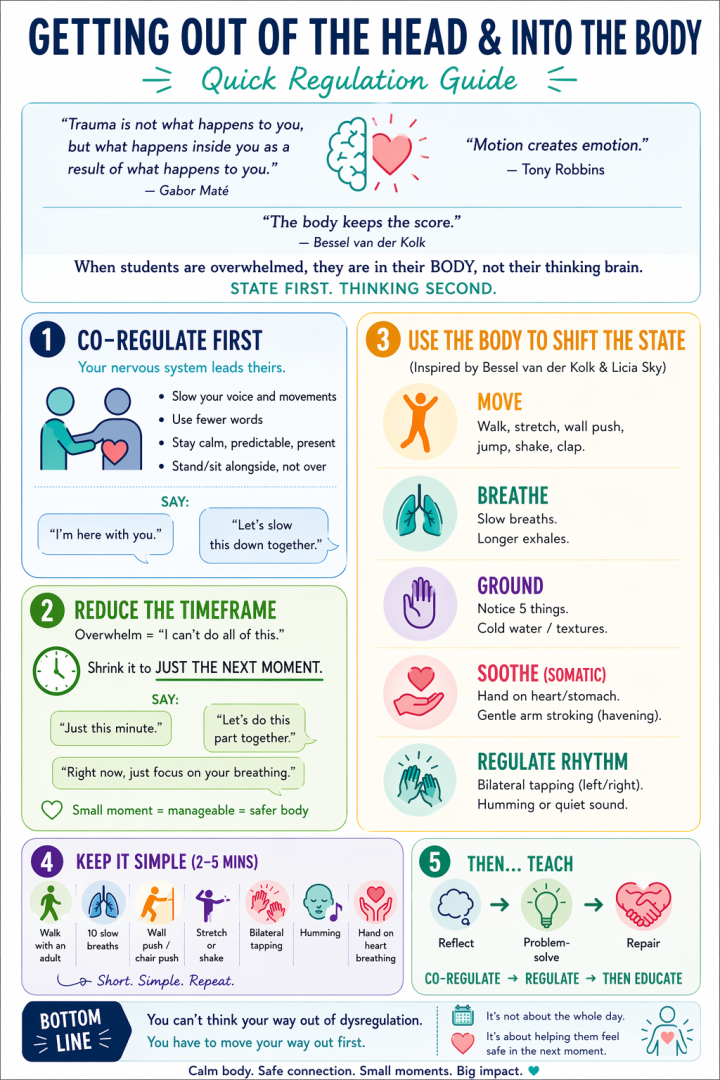
Over the school holidays, I had the opportunity to attend a workshop led by Bessel van der Kolk, a world-leading psychiatrist and researcher in the field of trauma and mental health. Dr van der Kolk is best known for his international best-selling book The Body Keeps the Score, which explores how trauma impacts the brain, body and emotional wellbeing.
One of the strongest messages from the workshop was the importance of helping people “get out of the head and into the body.” When we are overwhelmed, dysregulated or stressed, the thinking part of the brain often goes offline. In these moments, reasoning, problem-solving or lengthy conversations are usually far less effective than helping the nervous system feel calm, safe and connected first.
Another powerful idea discussed throughout the workshop was the concept that trauma is not simply what happens to us, but how those experiences are stored within the body and nervous system - an idea often spoken about by Gabor Maté. This reinforces the importance of supporting children not just cognitively, but physically and emotionally as well.
This aligns closely with many of the wellbeing and regulation approaches we use at school, including Zones of Regulation, interoception and sensory regulation strategies. We know that before children can reflect, problem-solve or learn, they first need support to feel regulated and safe within their bodies.
Attached is a simple “Getting Out of the Head & Into the Body” quick regulation guide inspired by key ideas from the workshop. It includes practical body-based strategies that can help support regulation at home and school, such as movement, breathing, grounding, rhythm and co-regulation. I have also added this guide to our Wellbeing Hub Website under ‘Supporting Children’ > ‘Zones of Regulation’. If you have not previously saved the link to the Wellbeing Hub, you can access it here: HCEPS Wellbeing Hub
One line from the workshop that particularly stayed with me was:
“State first. Thinking second.”
Sometimes the most powerful support we can offer children is not more words — but calm connection, safety and presence.
Student Wellbeing Surveys
It is wellbeing survey time over the next few weeks for our Year 3–6 students. During this time, Year 3 students will complete the Resilient Youth Survey, while students in Years 4–6 will complete both the Resilient Youth Survey and the WEC (Wellbeing and Engagement Collection) survey. Both surveys will be completed during class time.
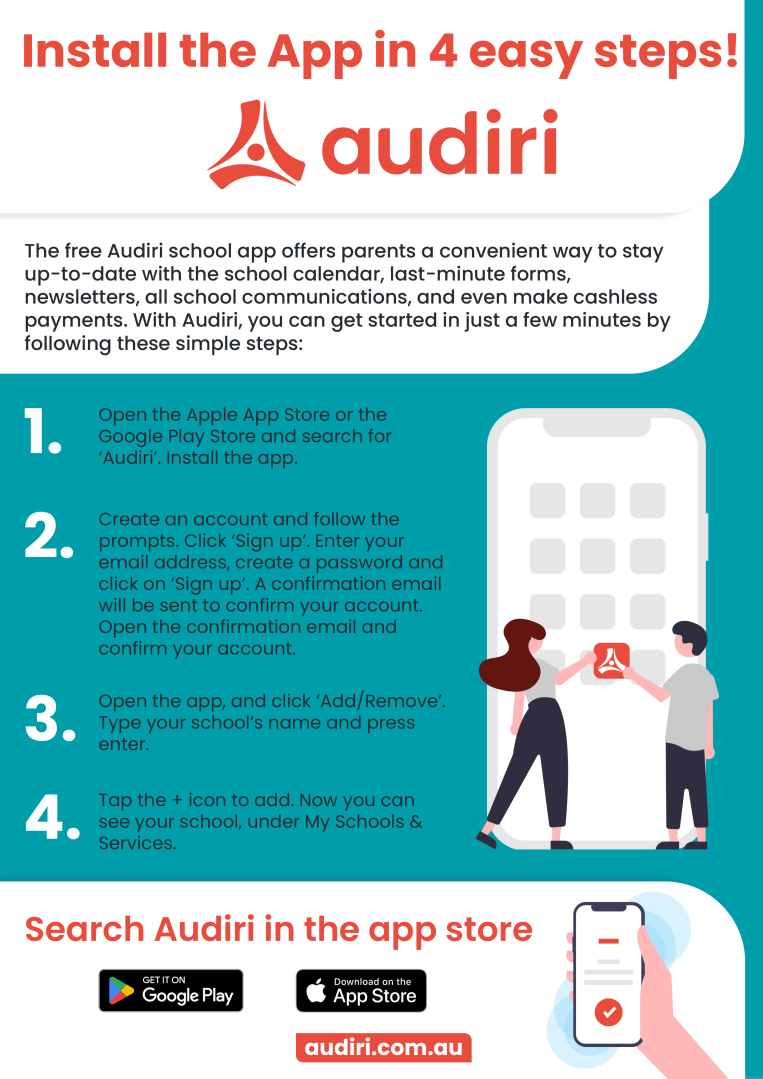
Information regarding these surveys was sent to families via Audiri last week. These surveys help us better understand student wellbeing, engagement, connectedness and areas where we can continue to strengthen support across our school community.
Participation in both surveys is optional. If you do not wish for your child to participate, please let your child’s classroom teacher know and an alternative activity will be provided during the survey time.
Mascot Design Competition Update
A huge thank you to every student who submitted designs for our School Values Mascot Competition! The creativity, thought and effort that went into the entries was incredible and made the shortlisting process extremely difficult.
The shortlisting process has now taken place and classes are currently voting to determine the winning design for each of our school values — a very tough job!
The winning designs will be announced at assembly next Friday and we will continue to keep our school community updated as the mascots progress through the design process. Very exciting times ahead!
Katrina Leucuta
STUDENT WELLBEING LEADER (Monday, Tuesday & Wednesday)



Volunteers are important to our school community. Our canteen relies on help from volunteers to deliver a meal service to our pupils.
To enable us to provide a varied recess and lunch menu offer to our pupils we really do need your help.
If you have a spare hour or more we would welcome your support.
Not registered with the school as a volunteer? Volunteer application packs are available from the front office containing all the information you need to submit your registration as a volunteer...... WE NEED YOU

The shop is stocked with a variety of second hand uniform items. The money raised is given back to the school and utilised in fundraising projects.
Remember that if you have any unused uniform items in good clean condition, we'd love to receive them. They can be left at the office anytime. Thank you.

Our Vision
For students to be confident, capable, and engaged young people, prepared to face the challenges of the world with empathy and integrity. We aim to cultivate a community where our learners are knowledgeable, compassionate, and resilient, thriving now and into the future.
Our purpose:
We are dedicated to creating a safe, inclusive, and dynamic learning environment that nurtures curiosity, creativity, and critical thinking. We strive to empower every student in their endeavours to make a positive impact on their school and wider community.
Our vision and purpose are underpinned by guiding beliefs:
Values
The school Values identified by the school community are reflected in the everyday language atschool by staff, parents, students and community members. The Values are
Our ongoing commitment to our Values is reflected in our Student and Staff Wellbeing programs including the Student Leaders' program, Buddy and assembly programs.

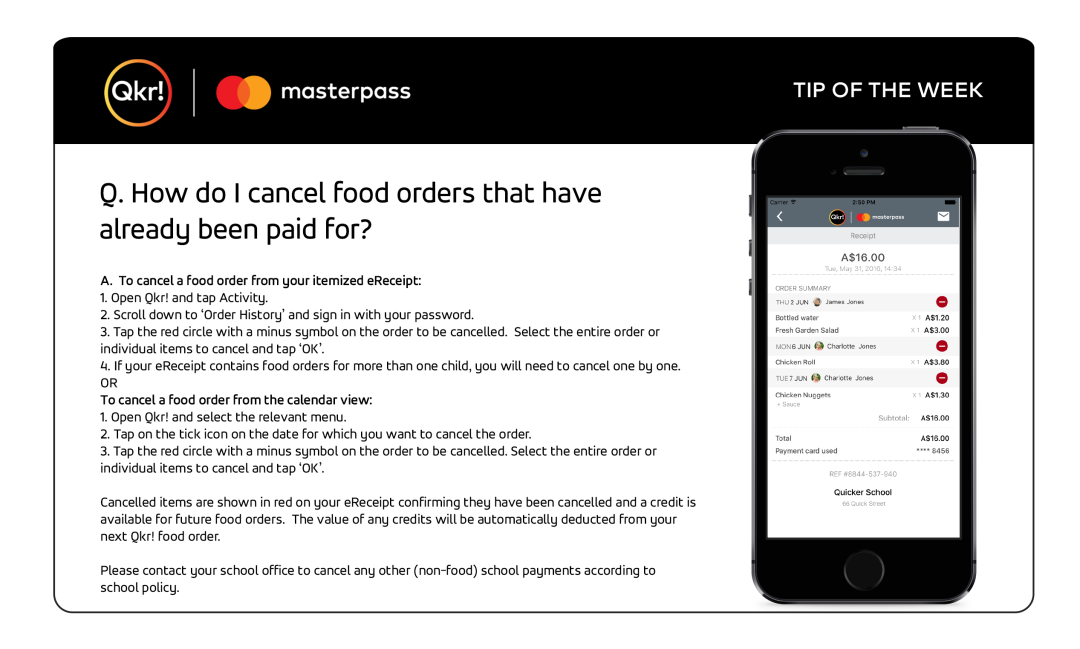
Qkr App (pronounced quicker) is Hallett Cove East Primary School and Out of School Hours/Vacation Care preferred form of payment.
Please click for more details Qkr App
Download on the App Store or Get it on Google Play